

Chief Operating Officer (COO) Program
Invalid liquid data
We are offering an early registration benefit of Invalid liquid data off the program fee if you apply on or before Invalid liquid data
MIT xPRO COO Program: Integrate Emerging Tech and Operational Strategy
Amid growing disruption from geopolitical shifts and economic volatility to the accelerating impact of artificial intelligence (AI), automation, and intelligent systems, many C‑suite executives feel underprepared to lead.
In today’s world, operational excellence alone is no longer enough. Organizations now demand chief operating officers (COOs) who can envision and execute AI‑empowered operations, guiding transformation not just through efficiency but through intelligent, data-driven decision making, systems thinking, agile scaling, and ethical deployment of emerging technologies.
The MIT xPRO Chief Operating Officer (COO) Program is a 9- to 12-month transformative journey that equips accomplished leaders and strategic decision -makers with the mindset, tools, and frameworks to lead operational excellence with AI readiness — whether you are stepping into a COO role or sharpening your impact as an operations leader.
What Will You Learn in the COO Program?
Key Program Takeaways
Assess your organization’s current business strategy and priorities to identify opportunities and threats and plan for organizational growth
Lead enterprise-wide transformation by applying systems thinking to evaluate and integrate global processes, leveraging data-driven insights for complex problem-solving and strategic decision making
Manage organizational change to align and execute initiatives that support your organization’s goals
Lead innovation, and future-proof the business by leveraging emerging technologies
Build a supportive organizational culture that fosters high-performing, cross-functional teams
Align financial oversight with operational strategy by using data-backed metrics to guide leadership decisions and drive successful business transformation
Learning Journey for the COO Program

How is the COO Program Curriculum Structured?
Phase 1: COO as a Strategic Partner (7 Weeks | Online and Live Online)
This phase of the program focuses on the responsibilities of a modern COO to develop, execute, and monitor corporate strategies to deliver favorable results. The topics in this phase will also look at the systems perspective of an organization and the COO as a problem solver. Additionally, you will look at the COO being at the forefront of innovation, managing uncertainties and positioning the organization effectively.
Organizational and Product Strategy: Cover the basics of strategic thinking, and gain knowledge that will enable you to explore your organization’s strategy. Additionally, identify where and how products create value and for whom.
System Thinking, Emergence, and Success: Learn that organizations, the built environment, and the project you work on are all important systems. Explore how systems thinking is different from thinking systematically.
Supply Chain and Computational Approaches to System Thinking: Examine how the application of system thinking to the entities and their relationships create a system that is greater than its parts and enable the assessment of system performance. Explore the aspects of a system's form, fit, and function and the interrelationships required to drive it.
Radical Innovation: Get an introduction to radical innovation. Learn the core features of technical innovation in the modern world and the philosophy and strategies an organization needs to execute various forms of innovation.
Urgency and Spirit of Radical Innovation: Understand what causes innovation to fail and what you can do to fix it. Explore what could potentially stop an organization from being innovative, innovation threats, and how to solve them.
Leading with Innovation: Explore the different models of project management, including agile and lean, in addition to testing, rapid prototyping, and design through real-world cases. Learn how to create a culture that supports innovation and creativity at all levels.
Realities of Technical Projects: Explore uncertainty as it relates to technical project management. Analyze risk, create risk-scoring tools, and select a risk mitigation plan for your project or organization. Additionally, perform a risk assessment through a Monte Carlo simulation. Finally, review how organizations respond to risks given their unique cultures.
Phase 2: Business Transformation (7 Weeks | Online and Live Online)
In the second phase of the program, you will explore important new and emerging technologies, which are transforming entire industries. This phase focuses on how businesses can adapt and thrive in evolving environments with the COO acting as a change agent.
Robotics: Get an introduction to robotics, automation, and associated technologies. Consider the emerging trends, and identify a business need in your workplace. Also, explore best use cases and the impact of robotics on business productivity and social benefits.
Virtual Reality (VR) and Augmented Reality (AR): Understand the conceptual and technological relationships between VR, AR, and mixed reality, all of which fall under the category of extended reality (XR). Learn fundamental XR concepts and the characteristics of XR systems and their applications.
Digital Transformation in Supply Chains: Get an introduction to supply chain management. Explore supply chain capabilities, complexities, and risks as well as resilience in global supply chains and supply chain collaboration.
IoT: Examine the growth of wireless communication protocols, the enhancement of physical devices, and the rise of cloud technology. Get introduced to core concepts related to IoT, and prepare for more advanced concepts covered in the next module.
Connective Technologies: Get an overview of the most important wireless IoT communication protocols for data transmission. Learn to select the most suitable communication protocol(s) for a given application.
Financial Acumen: Determine the strategic and investment initiatives for a global market organization over the course of three rounds. This simulation replicates market factors that every business experiences and includes some often overlooked and unexpected shifts.
Phase 3: COO as a Leader (6 Weeks | Online and Live Online)
In the third phase, the program delves into the human side of the COO role. You will learn how to mobilize and energize people and resources and be a strategic partner to the CEO. This phase also explores the importance of cultures in implementing changes and effectively managing power dynamics within organizations.
Leading High-Performance Teams: Gain strategies to create highly effective, resilient teams. Learn to create an effective organization that supports teams and enables them to succeed.
Negotiation: Explore how organizations conduct negotiations and how certain approaches can and often do deliver better results. Learn to employ negotiation skills to build relationships, resolve conflicts, and achieve positive outcomes.
Influence and Power: Understand the difference between persuasion and influence. Explore how they can be applied and the role each plays in negotiations. Additionally, understand the use of influence and power in the art of negotiation to apply them during decision making, implementation of those decisions, cross-functional coordination, and crisis management when unexpected challenges arise.
Culture: Discuss the ways in which culture can, directly and indirectly, impact organizations through a real-world case.
Networks: Get an introduction on how culture can accelerate and constrain change. Learn how social networks can help implement change by managing culture more effectively.
Change Management and Simulation: Explore factors and discuss ways organizations can not only mitigate the impact of culture on organizational change but also leverage culture to reinforce or accelerate organizational change.
Live Online Webinars on Leveraging AI
Get the opportunity to engage with your peers and MIT faculty during these live online sessions, which are woven throughout your learning journey:
Generative AI (Gen AI) and Strategy Reinvention: Examine how gen AI influences strategy formulation, innovation pipelines, and customer value across industries
Governance in the Age of AI: Prepare leaders for governance, risk management, ethical deployment, and innovation oversight in an AI-driven era
Electives (Choose Any 2 | 16 Weeks | Online)
Supply Chain Management: Leading with AI and Digital Transformation (6 Weeks)
Supply Chain Capabilities
Framework for Digital Supply Chain Transformation
End-to-End Supply Chain Visibility
Analytics and Machine Learning in Supply Chains
AI Applications in Supply Chains
Emerging Trends in Supply Chain Management
Designing and Building AI Products and Services (10 Weeks)
Introduction to the Artificial Intelligence Design Process
Artificial Intelligence Technology Fundamentals — Machine Learning
Artificial Intelligence Technology Fundamentals — Deep Learning
Designing Artificial Machines to Solve Problems
Gen AI
Designing Intelligent Human–Computer Interaction (HCI)
Superminds: Designing Organizations That Combine Artificial and Human Intelligence
Marketplace Frontiers of AI Design: Research
Marketplace Frontiers of AI Design: Practice
Internet of Things (IoT): Design and Applications
Introduction to IoT
Connections
Data, Privacy, and Security
IoT Mindsets
Applying IoT Mindsets to Product Design
Applying IoT Mindsets to Business Design
Executive Reflection
You will have the opportunity to apply program insights to your organization’s challenges and develop potential solutions. There are three reflections in the program, placed at the end of each phase of the core module journey — and they are essential for program completion. The reflections are designed to help you take all you have learned in the program curriculum, interact with the success coach, and discuss with peers to strategize for your organization’s unique global challenges.
Networking Event (2 Days | Optional)
Attend an optional two-day networking event on the MIT campus in Cambridge, Massachusetts. The event is held once a year and brings together participants from multiple cohorts.
Note: The program duration of 26 weeks excludes two weeks of orientation and break weeks between modules.
The list of topics and session schedule are subject to change.
A journey on operational excellence and business transformation
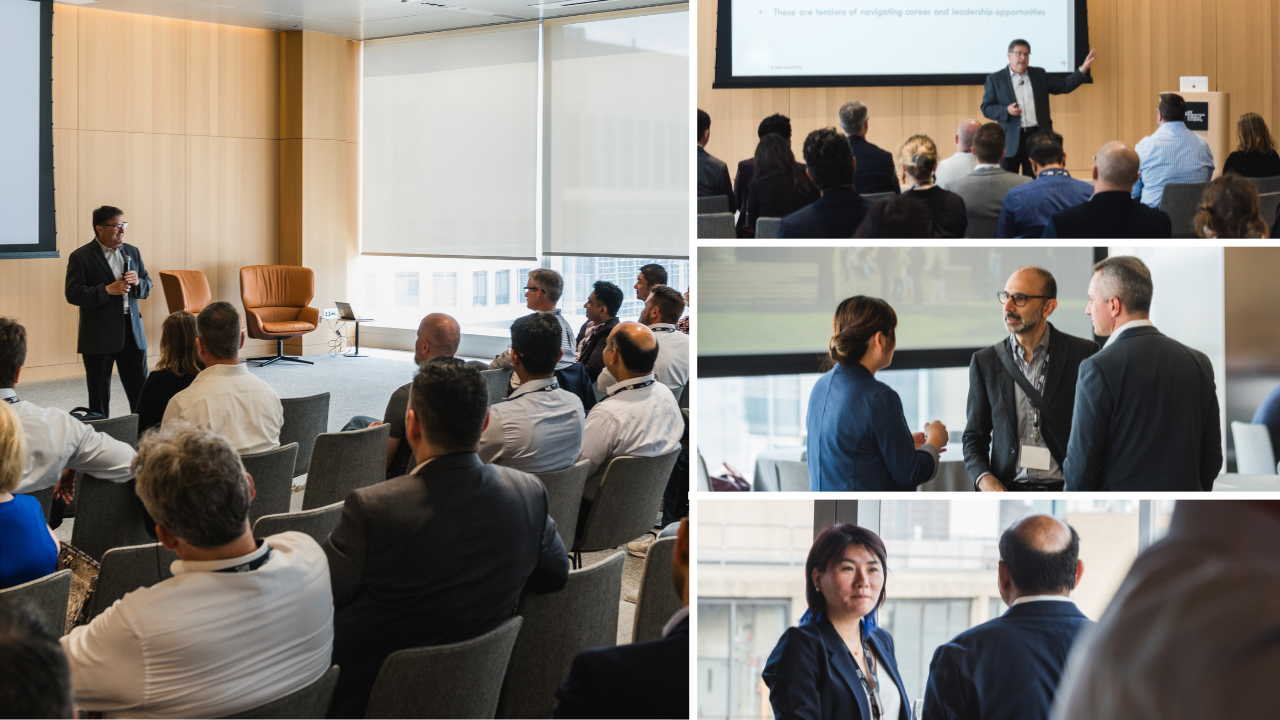
Who Is the Chief Operating Officer (COO) Program For?
Newly appointed COOs at mid-level to large organizations | Implement new processes and initiatives that optimize current business operations. |
Accomplished leaders in high-growth startups or established enterprises | Gain a strategic tool kit to steer your organization through complex transitions by leveraging technology, and bridge the gap between tactical execution and C-suite leadership. |
Strategic decision-makers across diverse sectors, including technology, manufacturing, healthcare, and services | Transition from specialized industry expertise to a holistic operational perspective, and integrate disparate business units into a unified engine. |
Participants are required to have:
A minimum of 10 years of work experience
Fluency in written and spoken English
International exposure (preferred)
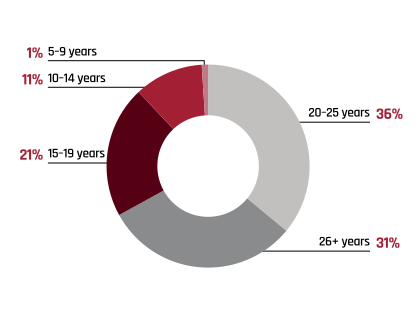
Past Participants of the COO Program
Work Experience
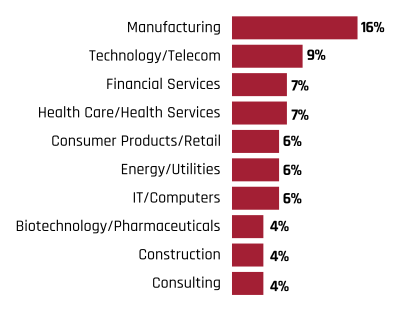
Top Industries
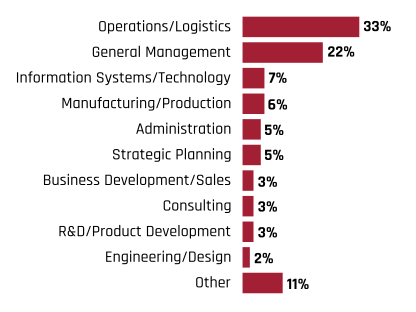
Top Job Functions
What Past Participants Have to Say About the Program


Where Past Learners Come From





























Disclaimer: All product and company names are trademarks or registered trademarks of their respective holders. Use of product and company names does not imply any affiliation with or endorsement by the holders.
The list of companies is only indicative and not exhaustive.
How Does the COO Program Prepare You for Real-World Leadership?
Learning Format | Real-World Learning Outcome |
Strategic Case Studies | Step into the decision-making seat across industries — from biotech to automotive — and stress-test your operational judgment. Learn to apply frameworks to build supply chain resilience, model black swan risk, and lead technology transitions with structured thinking to address your organization's most consequential challenges. |
Collaborative Leadership Discussions | Go beyond theory by wrestling with real friction points alongside a global peer cohort. Gain a sharper perspective on managing cognitive bias, navigating automation's human impact, and driving change management. Leave with strategies vetted by executives who face identical pressures across diverse industries and organizational contexts. |
Executive Reflection | Transform program insights into an actionable strategic playbook for your own organization. By synthesizing faculty knowledge, peer dialogue, and coaching feedback, produce a data-driven action plan that addresses your most pressing operational challenges — something you can present and act on the moment you return to your role. |
Live AI Sessions | Deepen your expertise in the domains most critical to your role. Whether modernizing supply chain operations with AI, architecting new digital products, or deploying Internet of Things (IoT) solutions, these MIT faculty-led electives enable you to build a targeted skill set that directly addresses your organization's most urgent transformation priorities. |
Electives | Move from awareness to application on AI's most disruptive fronts. Walk away from the program equipped to evaluate generative and agentic AI tools, embed responsible governance frameworks, and respond to geopolitical tech shifts, gaining the executive fluency to make AI-informed decisions that strengthen your organization's competitive position. |
What Does the COO Program Include?
Live Online Sessions on AI for COOs

Shape AI-Ready Strategies

Reinvent Innovation with Gen AI

Lead Confidently in the Boardroom

Accelerate Operations with Agents
Note: Live session schedules are subject to change based on speaker availability. Check the curriculum for the topic list.
On-Campus Networking Event at MIT
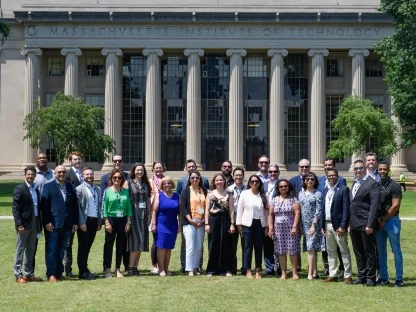
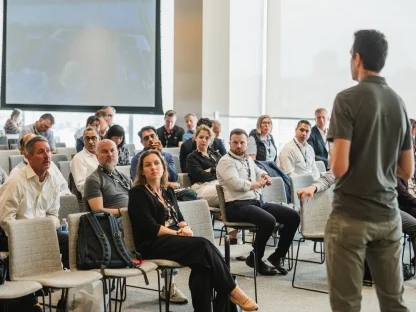
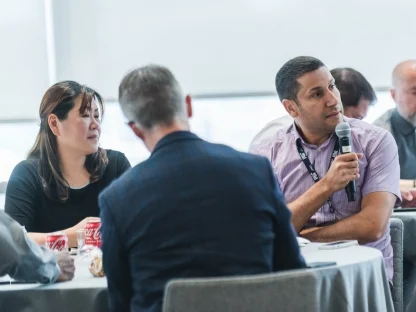
Note: A registration fee of USD 250 is applicable. The event will not necessarily be held immediately after program module completion.
COO Program Electives
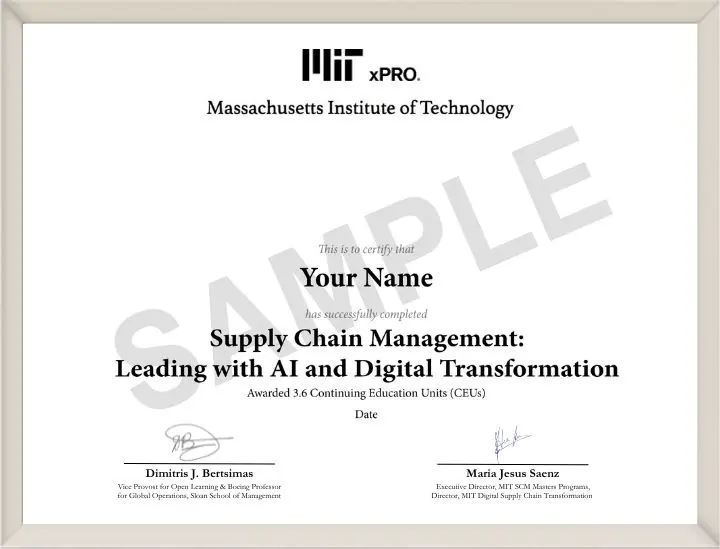
Supply Chain Management: Leading with AI and Digital Transformation
Develop the capabilities to lead digital transformation across complex supply chain networks, enabling greater agility, visibility, and resilience across your organization and its partners.
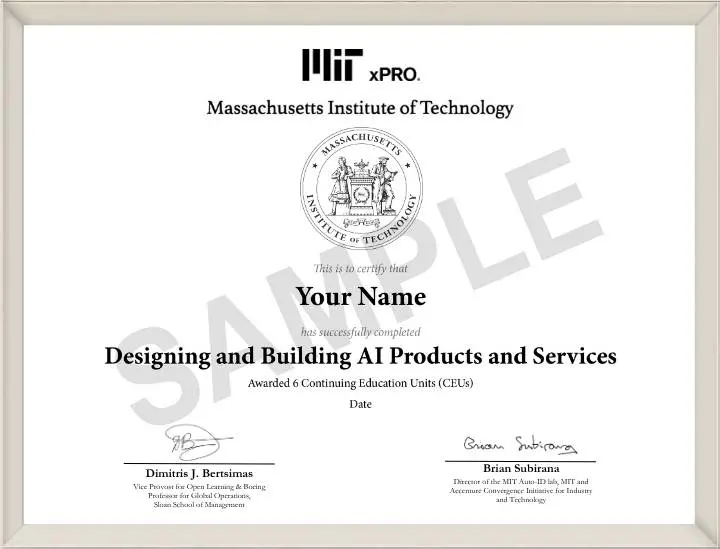
Designing and Building AI Products and Services
Gain the strategic and technical insights needed to turn AI opportunities into practical solutions that drive competitive advantage.
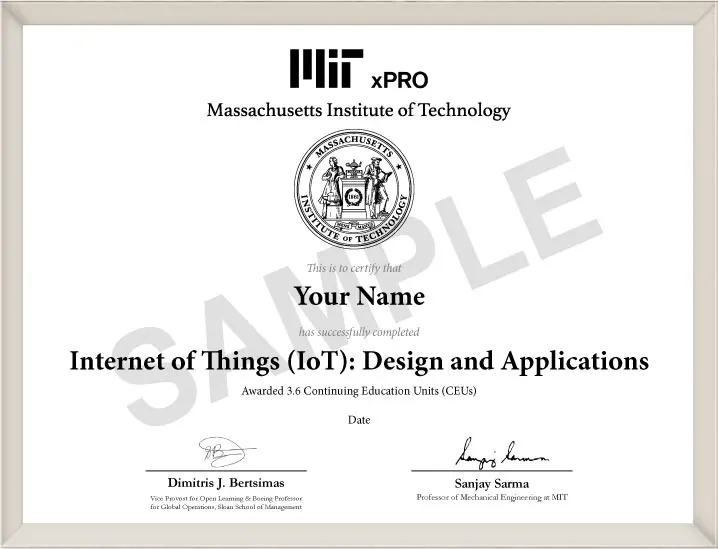
Internet of Things (IoT) — Design and Applications
Learn how to evaluate, implement, and lead IoT initiatives that unlock new efficiencies, enhance operations, and enable innovative business models.
Note: All certificate images are for illustrative purposes only and may be subject to change at the discretion of MIT xPRO.
Why Choose the MIT xPRO COO Program?
MIT xPRO COO Program | Other COO Programs | |
|---|---|---|
Institution brand | MIT is globally ranked the #1 university for technology, engineering, and innovation. | Respected brands in their own terms, but MIT's name travels further across engineering and innovation-driven sectors. |
More time in program | 9 to12 months: One of the longest COO programs, allowing deeper absorption of material over time | Generally 6 to 8 months |
Technology and innovation depth | Unmatched focus on cutting-edge tech, including robotics, AR/VR, IoT, digital supply chain analytics, and AI product design baked into core curriculum and simulation exercises — not just electives | Limited to zero exposure to AI/digital transformation — generally focused on strategy and leadership frameworks alone |
Customization/electives | Two elective modules allowing you to tailor your journey to your industry or career focus | Limited to no elective customization |
Best fit for | COOs in tech-intensive industries, including manufacturing, supply chain, logistics, healthcare tech, and SaaS, or those who want to lead digital transformation initiatives | Designed for strategy or finance-heavy roles |
Meet the Faculty for the COO Program
COO Program: Faculty Director

DAVID NINO
Senior Lecturer and Senior Program Manager, Daniel J. Riccio Graduate Program in Engineering Leadership
David Niño, Ph.D., is a Senior Lecturer in the Bernard M. Gordon-MIT Engineering Leadership Program, where he heads leadership education for graduate students across the Insti...
Program Faculty

Deborah L. Ancona
Seley Distinguished Professor of Management at the MIT School of Management

Hamsa Balakrishnan
William E. Leonhard (1940) Professor of Aeronautics and Astronautics at MIT

Edward F. Crawley
Ford Professor of Engineering at MIT

D. Fox Harrell
Professor of Digital Media and Artificial Intelligence at MIT

John Van Maanen
Erwin H. Schell Professor of Management Emeritus Professor, Organization Studies

Bryan R. Moser
Academic Director and Sr. Lecturer, System Design and Management(SDM). Associate Director, Engineering Systems Lab

Ray Reagans
Alfred P. Sloan Professor of Management. Professor, Work and Organization Studies. Associate Deanfor Diversity, Equity, and Inclusion

Alberto Rodriguez
Associate Professor of Mechanical Engineering at MIT; Class of 1957 Career Development Professor

Daniela Rus
Andrew (1956) and Erna Viterbi Professor of Electrical Engineering and Computer Science

Maria Jesus Saenz
Director, MIT Digital Supply Chain Transformation Lab Executive Director, MIT SCM Master's Program
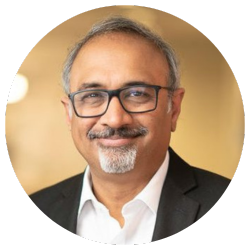
Sanjay Sarma
Fred Fort Flowers (1941) and Daniel Fort Flowers (1941) Professor of Mechanical Engineering at MIT

Julie Shah
Associate Professor in the Department of Aeronautics and Astronautics at MIT

Lawrence Susskind
Professor of Urban and Environmental Planning at MIT
Note: Faculty list is subject to change.
Guest Speakers
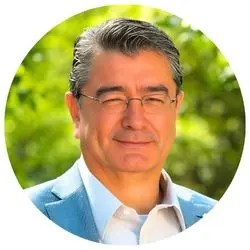
George Niño
Industrial Automation General Counsel at Yokogawa
Board Member, Texas General Counsel Forum
Board Member, Stanford Club of Houston
SLS Latinx Alumni Association
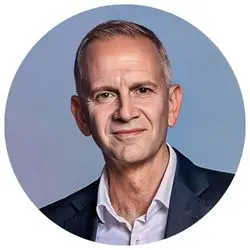
Carlos Crespo
Former CEO and COO, Inditex
Executive Advisor to CEOs and Boards
Investor — Direct and Co-Investments
Guest Lecturer, London Business School
Note: Guest speakers are subject to change.
Success Coaches

ALI O’MALLEY
PhD, ACC
Dr. O’Malley has nearly 20 years of experience partnering with senior leaders across industries. Ali specializes in the design and implementation of interventions to help lead...
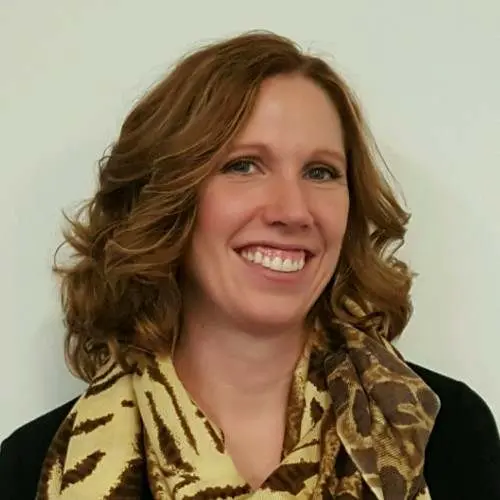
LAUREN VALENCIA
Certified ICF coach
The bulk of Lauren’s experience has been in tech with over 27 years in the corporate environment. She led several teams at Verizon in her 22 years of service primarily in Prod...
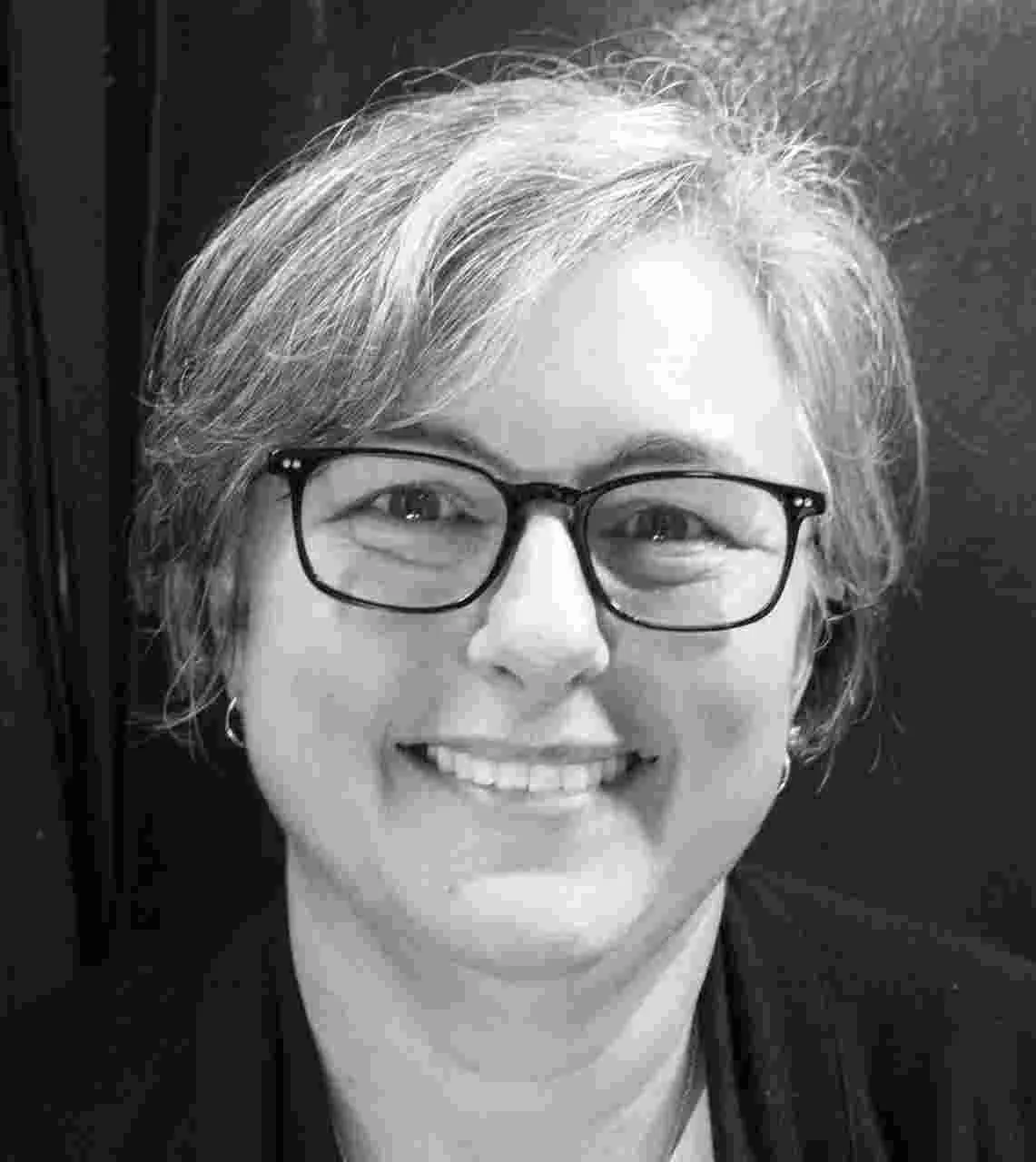
MELISSA NORCROSS
PhD, MBA
Melissa Norcross is an accomplished strategy executive, having held leadership positions at organizations ranging from Fortune 100 to high growth technology companies. Melissa...
What Credentials and Outcomes Will You Gain From the COO Program?
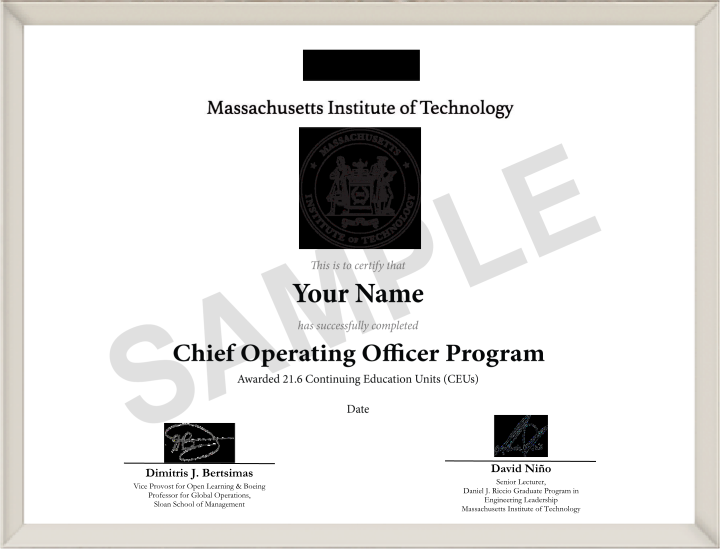
Upon successful completion of this program, you will receive a verified certificate of completion from MIT xPRO. In addition to the certificate, you will also earn 21.6 Continuing Education Units (CEUs). These CEUs quantify the time you have invested in structured learning as part of your professional development.
Note: All certificate images are for illustrative purposes only and may be subject to change at the discretion of MIT xPRO.
Frequently Asked Questions
Program
Is the MIT xPRO COO Program worth it?
The MIT xPRO COO Program is a 9- to 12-month executive education program that equips senior operations leaders with frameworks for AI-enabled operations, systems thinking, business transformation, and cross-functional leadership. This COO leadership program is designed for leaders seeking to strengthen their operational and strategic capabilities. Participants earn three verified MIT xPRO certificates and 21.6 CEUs upon completion. The program is best suited for leaders seeking structured, MIT-backed development to step into or strengthen a COO role.
What education do you need to become a COO?
A chief operating officer can come from diverse educational backgrounds, often with foundations in:
Business administration or general management
Engineering or technology
Supply chain, finance, or operations management
These are typically strengthened by leadership experience and executive education. This MIT xPRO executive operations program builds the strategic frameworks and skills needed to operate effectively at the C-suite level.
What is the difference between a COO and a CFO?
A chief operating officer (COO) is responsible for operational execution, cross-functional leadership, and implementing enterprise strategy across the organization. A chief financial officer (CFO) focuses on financial planning, reporting, and capital allocation. This COO executive education includes a Financial Acumen module to help operations leaders align their decisions with financial strategy and strengthen their capabilities in business operations leadership.
The MIT xPRO COO Program includes a Financial Acumen module to help operations leaders align their decisions with financial strategy.
What does a COO do?
A chief operating officer is responsible for overseeing day-to-day operations, executing enterprise strategy, and ensuring operational efficiency across an organization. The MIT xPRO COO training program covers these responsibilities across three core phases:
COO as a strategic partner
Leading business transformation
COO as a leader
How do I become a chief operating officer (COO)?
A chief operating officer typically advances through senior roles where operational execution and business strategy intersect, such as:
Head of Operations or VP of Operations
General Manager or Business Unit Leader
Senior functional leader in supply chain, technology, finance, or product
The MIT xPRO chief operating officer course supports this transition by equipping senior leaders with the frameworks, tools, and executive presence needed to lead at the C-suite level.
How should I choose a COO program?
When evaluating a COO program, consider the following:
Institution: Does the institution have recognized depth in technology, operations, and leadership?
Curriculum breadth: Does the program cover both operational strategy and emerging technology, including AI and digital transformation?
Duration: Longer programs allow deeper absorption; the MIT xPRO COO Program runs 9 to 12 months
Customization: Does the program offer electives aligned to your industry or career focus?
Credential: Is the certificate recognized globally and tied to a specific institution?
The MIT xPRO COO Program is particularly well suited for leaders in technology-intensive industries who need operational depth alongside AI and innovation fluency.
Is an MIT xPRO certificate valuable?
A verified digital certificate from the MIT xPRO Chief Operating Officer (COO) Program carries global recognition as a mark of executive excellence. It signals expertise in operations strategy, leadership development, and the ability to address real-world business challenges.
Note: This is not a COO certification program. This program does not grant academic credit or professional certification from MIT xPRO.
Learning Experience
What is the time commitment for the MIT xPRO COO Program?
The MIT xPRO COO Program requires a commitment of three to five hours per week. The total program duration is 9 to 12 months, covering 19 weeks of core curriculum, two electives, and three Executive Reflection milestones. This COO executive education experience allows participants to develop their leadership capabilities alongside their professional responsibilities.
Does the MIT xPRO COO Program offer certificates?
Participants who successfully complete the MIT xPRO COO certificate program earn three verified MIT xPRO certificates — one for the core program and one for each of the two electives completed — along with 21.6 Continuing Education Units (CEUs). CEUs are a standardized measure of structured professional learning recognized across industries.
Does the program offer closed-captioning for videos included in the curriculum?
Yes. We provide closed-captioning and transcripts for all pre-recorded videos as well as closed-captioning for recordings of live sessions.
How do the live sessions work?
The MIT xPRO Chief Operating Officer (COO) Program includes live online and video online sessions with renowned faculty, industry experts, and global peers. You can take advantage of live sessions and the Slack channel to ask questions and discuss ideas with your success coach and cohort participants. Real-world examples and a debrief of the program learnings are delivered through a combination of recorded video and live online lectures.
Can I take more than the specified electives?
Unfortunately, it is not possible to take any more electives than the specified number. The electives are designed to help you gain specialized skills in areas that are aligned with your career so that you can dedicate focused time for learning and honing those skills.
Payment and Policies
How much does the MIT xPRO COO Program cost?
The program fee for the MIT xPRO COO Program is U$ 21,200. The fee covers:
Academic content and all course materials
Access to online coursework and the learning platform
Faculty-led live sessions and AI webinars
Success coach support
Additional costs not included in the program fee are:
Travel and accommodation for the optional two-day on-campus networking event
A registration fee of US$250 for the networking event
Flexible payment options and early application benefits may be available.
Flexible payment options and early application benefits may be available. For professionals evaluating this operations executive education program, these costs should be considered alongside the curriculum, credentials, and learning experience.
What is included in the price of the program?
The program fee covers teaching fees, all academic material, and access to online coursework. The fee does not include accommodations for the two-day on-campus networking event, travel expenses (domestic, international, visa fee, and more), and other expenses not specifically mentioned in the fees.
Is there any discount or financial aid?
You can pay the full program fee upfront or pay in easy installments. If you apply well in advance of the program start date, you can receive a tuition fee benefit. If you would like to approach your company with a sponsorship request for this program, here is a customizable template that you can use.
Who will be collecting the payment for the program?
Emeritus collects all program payments, provides learner enrollment and program support, and manages learning platform services.
What is the program refund and deferral policy?
For the program refund and deferral policy, please click the link here.
Are there any restrictions on the types of funding that can be used to pay for the program?
Program fees for Emeritus programs with MIT xPRO may not be paid for with (a) funds from the GI Bill, the Post-9/11 Educational Assistance Act of 2008, or similar types of military education funding benefits or (b) Title IV financial aid funds.
Accessibility
How does Emeritus support accessibility for learners?
Emeritus is committed to making high-quality education accessible and affordable to individuals, companies, and governments around the world. If you have questions about accessibility or would like to discuss available support options before enrolling, please contact accessibility@emeritus.org. For more information about our accessibility practices, please review our Accessibility Policy here.
Connect With a Program Advisor for a 1:1 Session
Email: mit_coo@emeritus.org
Phone: +1 646 713 0918 (U.S.) / +44 1156 471388 (U.K.) / +971 80 0035704133 (U.A.E.) / +52 55965 38957 (LATAM) / 000 8009191979 (India*) / +65 3138 4749 (S.G.)
*If you are dialing the India number, please make sure to include the first three zeros (000).
Early applications are encouraged. Admissions are reviewed on a first-come, first-served basis.
Flexible payment options available.
Starts On